The Art of Perfect Walls: Mastering Drywall Techniques Jul 18, 2026
Before diving into techniques, let's understand what makes drywall such a vital element in construction. Drywall, essentially a panel made of gypsum, is used to create interior walls and ceilings. Its popularity stems from its affordability, ease of installation, and versatility. A perfect drywall finish not only enhances aesthetics but also contributes to the energy efficiency of a space by adding insulation.
To achieve professional-grade drywall finishes, the first step involves proper planning and preparation. This begins with choosing the right type of drywall for your space. Factors like room size, moisture exposure, and soundproofing needs must be considered to select the right drywall variant. For example, moisture-resistant drywall is essential for bathrooms, while soundproof drywall is ideal for media rooms.
Once you’ve selected the appropriate material, mastering the art of hanging drywall is crucial. This step entails accurately measuring and cutting drywall panels to fit snugly against the framing. Precision is key; panels that are too large or small can lead to unsightly gaps or unnecessary joint work. The panels are then securely attached to the studs using nails or screws, making sure that all edges are properly aligned.
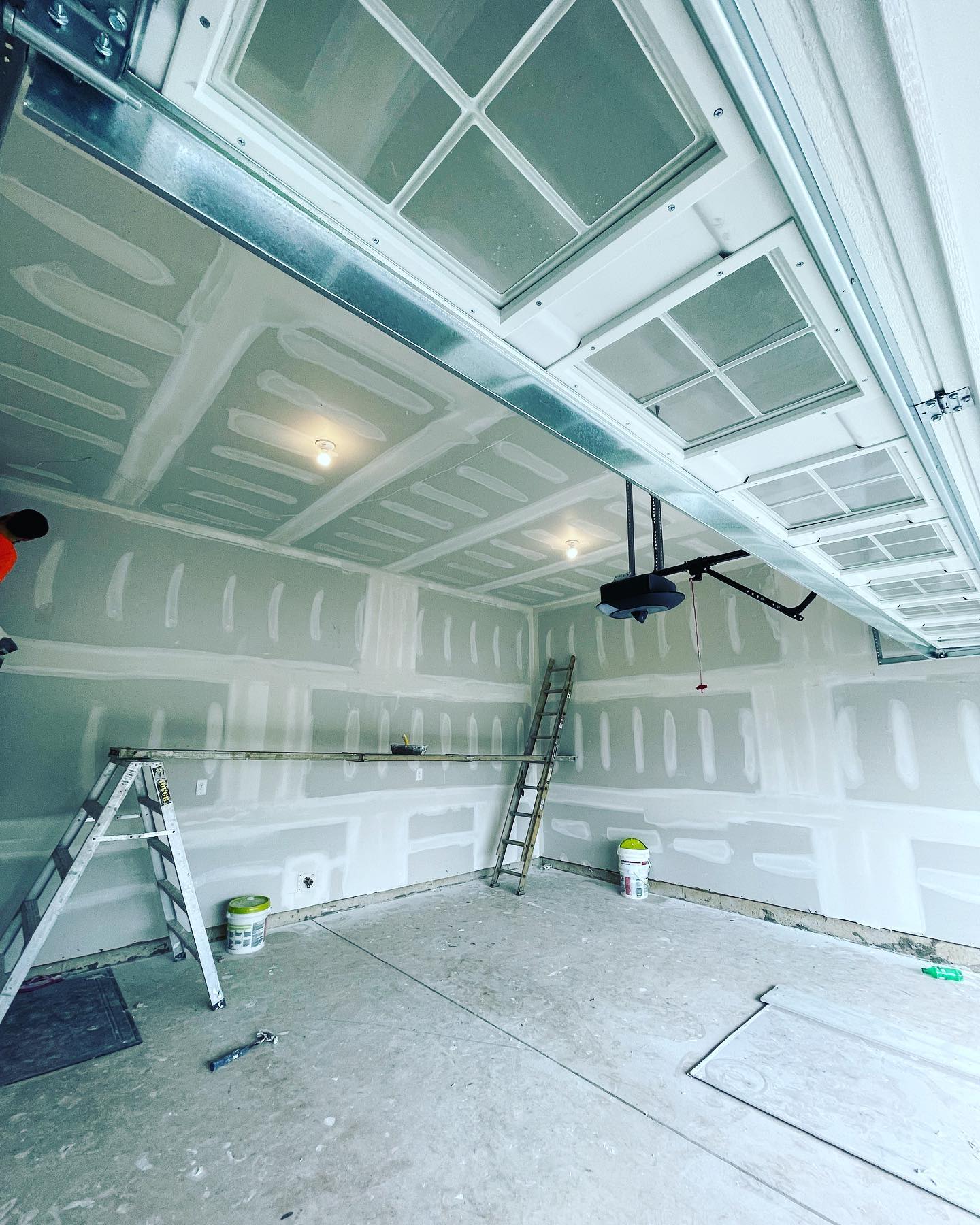
Taping and mudding are what truly bring the wall to life, and it is here that skill and patience pay off. Applying the joint compound, commonly known as "mud," is a multi-step process. Start with a thin layer to cover seams and set the joint tape. Once this layer dries, additional coats are applied to ensure a seamless finish. Light sanding between coats can help achieve a smooth surface, eliminating any potential imperfections.
Corners and angles can be particularly tricky, requiring corner beads and careful mud application to ensure sharp, clean lines. Bead installation is an art form itself, as it necessitates exact alignment and secure attachment to avoid future cracking or loosening.
The finishing touches are all about texture, which can elevate an entire room. Whether opting for a smooth, painted wall or choosing to add texture with a variety of techniques like knockdown, orange peel, or skip trowel, the texture you choose can significantly impact the room's aesthetic.
Finally, no drywall job is complete without a quality paint job. The key is to use a good primer to prepare the surface, followed by the paint of your choice. Proper painting technique maintains the integrity of the drywall, while simultaneously achieving the design goal of the room.
In conclusion, mastering drywall techniques is a blend of art and science that requires meticulous attention to detail and a thorough understanding of materials and methods. At Carrillo Drywall Services, we strive to embody these principles in every project, ensuring that we deliver beautiful, durable, and functional walls for all our clients. Whether you’re embarking on a renovation or building from the ground up, choosing a qualified and experienced drywall service provider will make all the difference. Rest assured, with Carrillo Drywall Services, your walls are in expert hands.
/filters:no_upscale()/filters:format(webp)/media/8df00d97-a4bd-4985-aa13-aa0f7865750c.jpeg)